

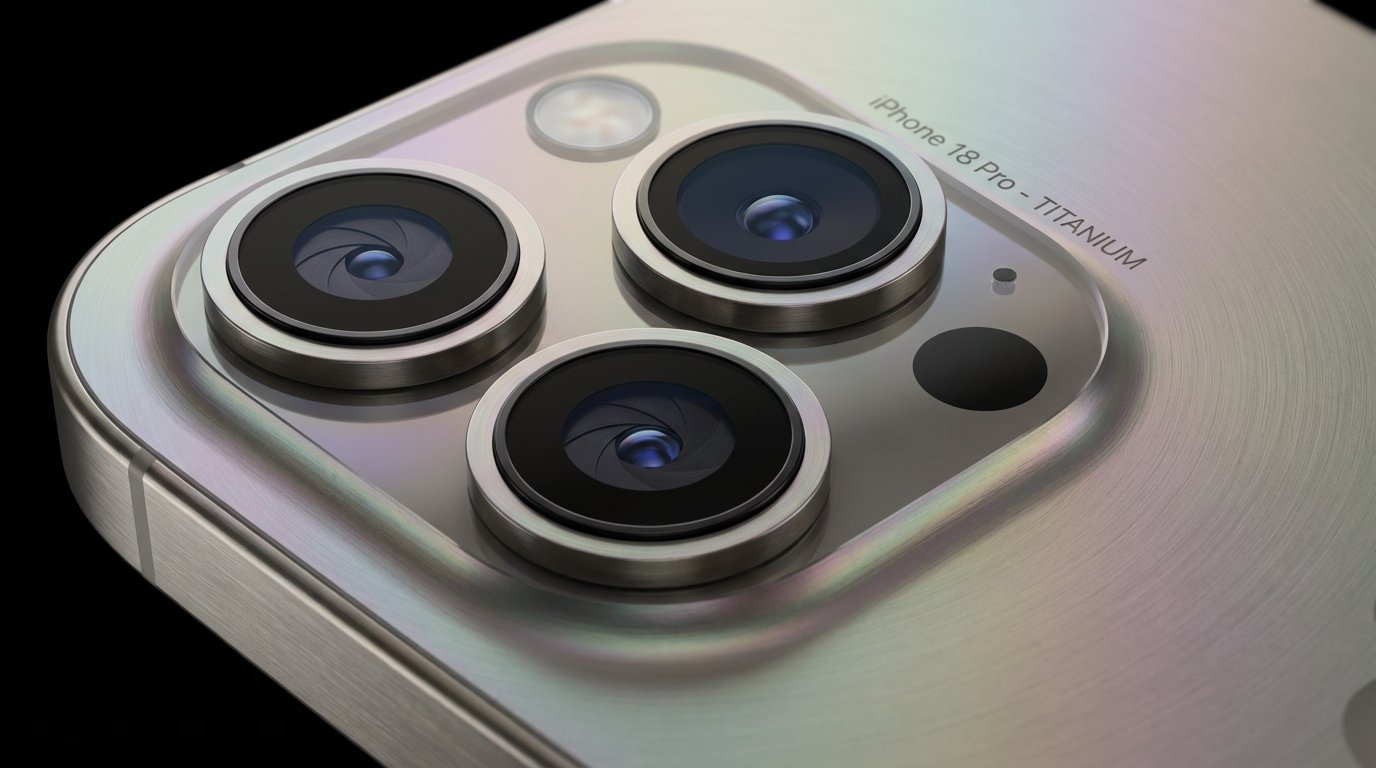
Let’s start with the elephant in the room: the price of the upcoming iPhone 18 Pro. If you’ve been following the tech world lately, you know that the cost of raw materials—specifically memory (RAM) and storage chips—is skyrocketing. Companies like Oppo have already started raising prices on existing phones just to stay afloat.
Now, everyone is looking at Apple. Historically, Apple is the king of “supply chain mastery.” They often lock in long-term contracts to keep their prices stable while everyone else is panicking. However, there is a limit to how much a company can absorb. While Apple has larger profit margins to play with than most, the rumor mill suggests that the iPhone 18 Pro might see a slight bump to account for these parts.
My take? If you are planning to upgrade, start saving that extra $50 or $100 just in case. Apple usually tries to keep the “starting price” the same, but we might see them get more aggressive with the pricing of higher storage tiers (like the 1TB or 2TB models).
A New Eye: The iPhone 18 Camera Shift
It isn’t just about the price, though. The iPhone 18 Pro is shaping up to be a photographer’s dream. We are hearing reports of a variable-aperture lens on the main camera. For those who aren’t camera nerds, this means the phone can physically change how much light it lets in, allowing for a natural “bokeh” (blurred background) that looks like a professional DSLR.
Interestingly, Apple might be swapping their Ultrawide sensor provider from Sony to Samsung. It’s a rare move, but if it results in better low-light performance, most users won’t mind who made the chip.

AirPods Max 2: Built for the “Creator” Generation
After what felt like a lifetime of waiting, the AirPods Max 2 are finally here. But if you were expecting a radical redesign, you might be surprised. Apple kept the iconic look but focused entirely on what’s inside.
The big headline here is “Studio Quality” recording. Apple is targeting the podcasting and TikTok generation by putting high-fidelity microphones directly into the earcups. They’ve also added a nifty feature: you can now use the buttons on your headphones as a remote shutter for your iPhone camera. Imagine setting up your phone on a tripod for a group shot and just clicking your headphones to take the picture—it’s a small change, but a brilliant one.
They also doubled down on sustainability. The new Max 2 uses 100% recycled rare earth elements and recycled gold plating in the circuit boards. It feels good to wear something that isn’t just high-tech, but also a bit kinder to the planet.
The “Invisible” Security Fix: Update Your iPhone Now
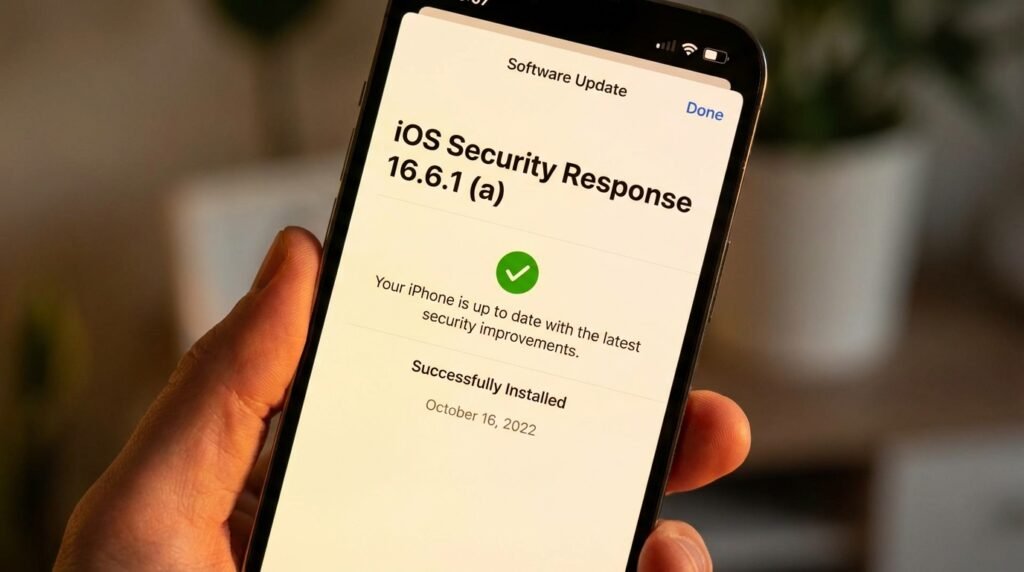
This week, Apple did something they rarely do. They released a “Background Security Improvement” update. Unlike a normal iOS update that requires a full restart and a long loading bar, this was a targeted strike against a specific vulnerability.
The flaw (tracked as CVE-2026-20643) was a “cross-origin” issue in WebKit—the engine that powers Safari. Basically, a malicious website could have potentially “peeked” into your other open tabs to steal sensitive data.
Actionable Advice: Go to Settings > General > Software Update. Even if you don’t see a big “iOS 19” style update, make sure your security responses are turned on and installed. In 2026, web security is no joke, and this one is considered an urgent fix.
AppleCare One: The “Netflix” of Insurance is Coming to Europe
If you live in Europe, getting your Apple gear fixed is about to get a lot easier. Apple has officially registered “AppleCare One” in the EU.
In the US, this service has been a hit because it allows you to cover up to three devices for a flat monthly fee (around $20). The coolest part? You can swap devices in and out of the plan. If you sell your iPad and buy a new MacBook, you just swap the coverage. It also covers products up to four years old, which is a massive improvement over the old 60-day window to buy insurance.
iPhone 17e: Fixing the Mistakes of the Past
One of the weirdest stories this week comes from the “e” series. The older iPhone 16e had a major flaw: it lacked the MagSafe magnet assembly for wireless charging. This meant your magnetic battery packs or car mounts would just… slide off.
The new iPhone 17e fixes this. Even better, repair experts at iFixit have discovered that the back panels are almost identical. If you own a 16e and hate the lack of magnets, you might actually be able to swap on a 17e back panel in the future to “upgrade” your phone. It’s a win for repairability and a rare admission from Apple that a simpler design is sometimes better.
Mark Your Calendars: WWDC 2026 Dates
Finally, let’s talk about the big dance. The Worldwide Developers Conference (WWDC) is where we will see the future of Siri and the next version of iOS. While Apple hasn’t officially sent out the invites, the patterns are clear.
Expect the keynote on Monday, June 8, 2026. This is where Tim Cook will likely set the stage for Apple’s next decade of AI and spatial computing. If you’re a tech nerd like me, that week in June is basically our Super Bowl.
Frequently Asked Questions (FAQ)
Q: Should I wait for the iPhone 18 or buy the 17 now? A: If camera tech—specifically low-light telephoto and variable aperture—is important to you, wait for the 18. If you just need a reliable phone, the 17 series is already excellent.
Q: Is AppleCare One worth it? A: If you own an iPhone, Apple Watch, and Mac, yes. It is usually cheaper than buying individual plans for each.
Q: Why is my iPhone 16e not sticking to my MagSafe charger? A: The 16e lacked the internal magnets for alignment. You can use a MagSafe-compatible case to help, or consider the 17e upgrade.
Source: Link