

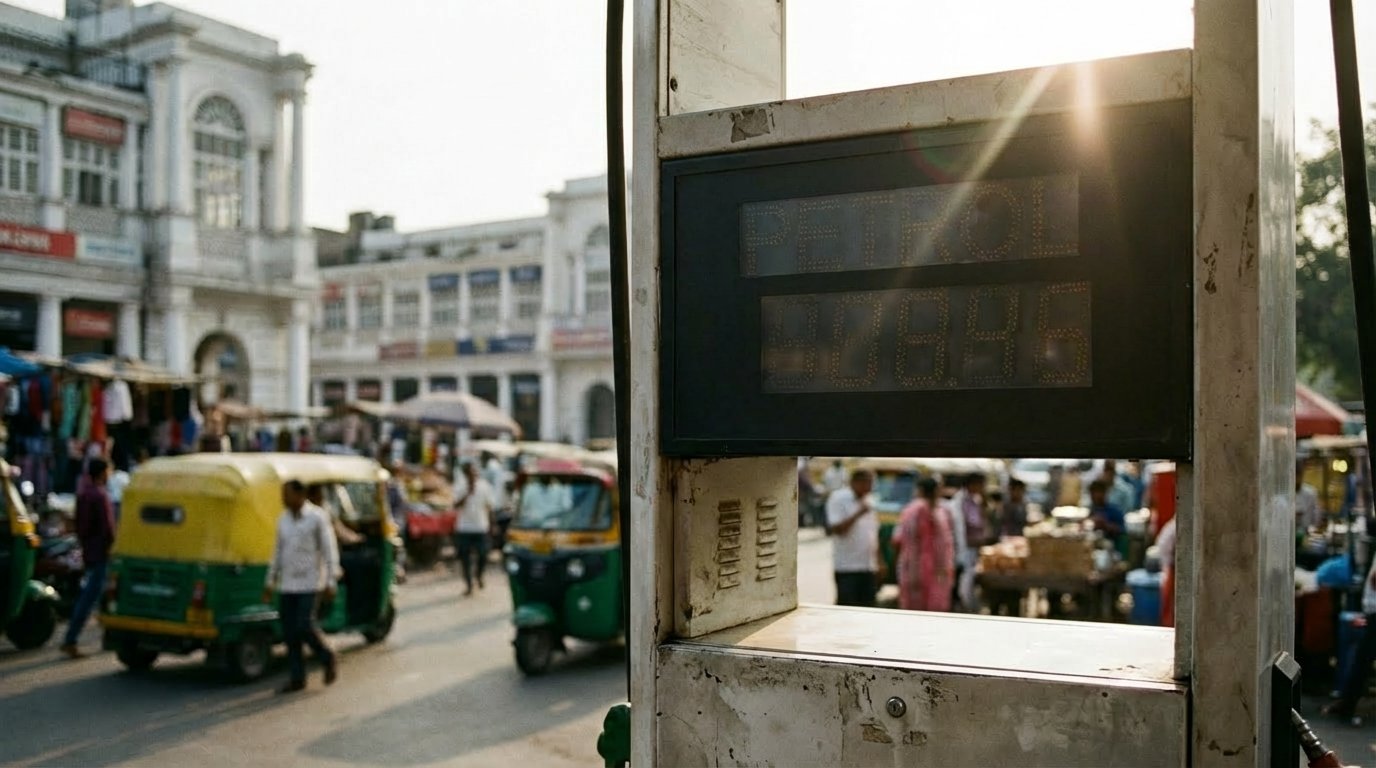
There is a specific kind of “stomach drop” we all feel when we pull into a petrol station and see the price on the digital display has jumped again. For the past month, with the news full of headlines about conflict in the Middle East, many of us have been bracing for the worst. We’ve seen the long queues, the “out of stock” signs at some private pumps, and the general anxiety about how much it’s going to cost to get to work tomorrow.
Well, there’s finally some breathing room. In a major move to protect our wallets from the chaos of global oil markets, the Indian government has stepped in with a massive tax cut.
If you’ve been wondering why your local petrol pump price hasn’t skyrocketed despite a war going on, or if you’re curious about what “excise duty” actually is, you’re in the right place. Let’s break down exactly what happened, why it happened, and what it means for you.
The Big Announcement: Cutting the Tax Burden
Late on the night of March 26, 2026, the Finance Ministry dropped a notification that sent a wave of relief through the country. Effective immediately, the government has slashed the excise duty on petrol and diesel.
Here is the simple breakdown of the change:
- Petrol: The duty was cut from ₹13 per litre down to just ₹3 per litre.
- Diesel: The duty was slashed from ₹10 per litre all the way down to zero.
Essentially, the government is “eating” the cost so that you don’t have to. By removing these taxes, they are making it much cheaper for oil companies to sell fuel to us, which keeps the retail price—the price you see at the pump—from hitting the roof.
Why Now? The Global “Crude” Reality
You might be asking: If the government can do this, why don’t they do it all the time? The answer lies in what’s happening across the ocean.
Since late February 2026, the Middle East has been locked in a severe conflict involving the United States, Israel, and Iran. This isn’t just a political headline; it’s a direct hit to the world’s energy supply. Global crude oil prices have surged by nearly 50% in just a few weeks. At one point this month, oil touched a terrifying $119 per barrel.
For a country like India, which imports a staggering 88% of its oil, this is a massive problem. Most of our oil comes through the Strait of Hormuz, a narrow waterway that has become a “no-go zone” for many tankers due to the risk of attacks and a lack of insurance coverage. When the supply gets blocked and the price of raw oil goes up, the cost of refined petrol usually follows.
Protecting the “Common Man” vs. Oil Companies
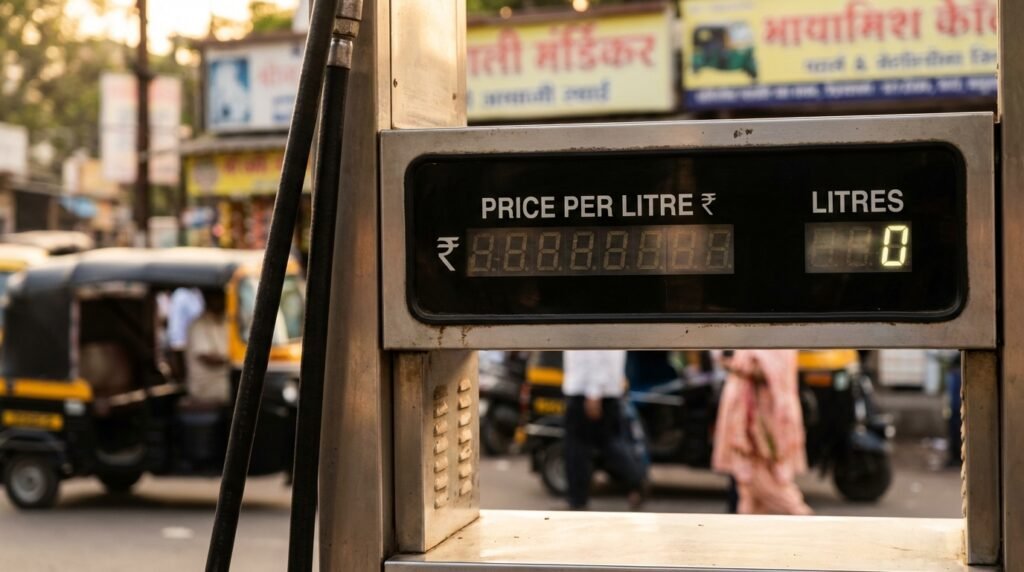
Usually, when global prices go up, state-owned companies like IOC, BPCL, and HPCL are stuck in a hard place. If they raise prices to match the global market, the public suffers. If they keep prices low (frozen), they lose billions of rupees.
By cutting the excise duty, the government has given these companies “headroom.” It allows them to stay profitable (which is why their stock prices jumped on the BSE this morning!) without having to pass the high costs onto you.
However, not everyone is playing the same game. Private players like Nayara Energy have already hiked their prices—petrol is up by ₹5 and diesel by ₹3 at their pumps. This is why you might see shorter lines at Nayara and massive queues at the government-owned Indian Oil or Bharat Petroleum stations.
What This Means for Your Monthly Budget
For most of us, fuel isn’t just about the car. It’s about the price of tomatoes, milk, and Amazon deliveries. Almost everything we buy is moved by trucks that run on diesel.
By slashing the diesel excise duty to zero, the government is trying to prevent “inflation.” If diesel stays stable, transport costs stay stable. If transport costs stay stable, your groceries don’t get more expensive. It’s a ripple effect that touches every part of your life.
Frequently Asked Questions (FAQ)
Q: Will petrol prices drop further tomorrow? A: Likely not. This tax cut was designed to keep prices where they are rather than making them much cheaper. It prevents a massive hike that was otherwise inevitable.
Q: Why are some pumps more expensive than others? A: Private companies like Nayara and Jio-bp don’t always get the same government subsidies as state-owned ones. They often have to raise prices sooner to avoid going out of business.
Q: Is there a fuel shortage in India? A: According to the major oil firms, there is no shortage. The long queues are mostly due to “panic buying” and people flocking to government pumps to save a few rupees compared to private ones.
We are living through a volatile time in history. While we can’t control what happens in the Middle East, this move by the Finance Ministry is a shield for the Indian consumer. It’s a reminder that even when global markets go crazy, there are tools at home to keep our daily lives moving.
For now, keep your tank full, but don’t panic. The system is working to keep the wheels turning.