


Introduction
Speed matters. Whether you’re streaming a movie, video calling your family, or working remotely, we all want faster internet. But 5G technology isn’t just about downloading files quicker—it’s fundamentally changing how entire industries operate.
Think of 4G as a busy highway during rush hour. It gets you where you need to go, but there’s congestion and delays. Now imagine 5G as a completely new transportation system with express lanes, no traffic lights, and instant access everywhere. That’s the leap we’re experiencing.
By 2025, over 30 billion IoT devices are expected to be connected globally, and 5G forms the backbone that makes this hyper-connected world possible. From doctors performing remote surgery to self-driving cars navigating city streets, 5G applications are moving from science fiction to everyday reality.
Let’s explore the real-world applications that are transforming industries right now.
Please also read this blog about Ai Agenets.
Understanding 5G: More Than Just Speed
Before diving into applications, let’s clarify what makes 5G technology special. It’s not simply a faster version of 4G—it represents three fundamental improvements:
Incredible Speed
5G networks deliver speeds up to 100 times faster than 4G. We’re talking about downloading a full HD movie in seconds rather than minutes. More importantly, this speed enables real-time applications that were previously impossible.
Ultra-Low Latency
Latency is the delay between sending and receiving information. 5G reduces this to just 1 millisecond—about 1/1000th of a second. For comparison, the average human reaction time is about 250 milliseconds. This near-instant communication is crucial for applications like autonomous vehicles and remote surgery.
Massive Device Connectivity
5G networks can support up to 1 million devices per square kilometer. This massive capacity enables the Internet of Things (IoT) to flourish, allowing everything from smart appliances to industrial sensors to connect simultaneously without network congestion.
5G Smart Cities: Building Urban Environments of Tomorrow
Smart cities aren’t futuristic concepts anymore—they’re being built today, and 5G is the foundation.
Intelligent Traffic Management
Traffic congestion costs billions in lost productivity and environmental damage. 5G-powered smart city systems are changing this. Sensors throughout the city monitor traffic patterns in real-time, adjusting signal timing dynamically to keep vehicles flowing smoothly.
In several cities already implementing this technology, traffic sensors communicate with traffic lights, which communicate with vehicles, creating a synchronized system that reduces congestion by up to 30% and significantly improves air quality.
Imagine approaching an intersection and your car receives real-time information about optimal speed to catch all green lights. Or picture emergency vehicles automatically triggering green lights on their route, cutting response times dramatically.
Smart Energy Grids
Power grids enhanced with 5G technology and AI learn consumption patterns across heavily populated areas. These systems predict when energy demand will spike and adjust supply accordingly.
This intelligent management has shown significant impact on energy conservation and waste reduction, potentially lowering carbon emissions and helping cities reach sustainability goals. If you’ve noticed fewer power outages in your area recently, 5G-enabled smart grids might be the reason.
Public Safety Enhancement
5G enables connected surveillance systems that go beyond simple video recording. AI-powered cameras can detect unusual activities, identify safety hazards, and alert authorities instantly. During emergencies, first responders receive real-time data about situations before arriving on scene.
For example, firefighters approaching a burning building can access building layouts, locate people inside using heat sensors, and coordinate with multiple teams—all through 5G-connected devices that work even when traditional networks fail.
Waste Management
Even garbage collection gets smarter with 5G. IoT sensors in waste bins monitor fill levels and optimize collection routes, reducing fuel consumption and ensuring bins never overflow. Some cities report 40% reduction in waste collection costs while maintaining cleaner streets.
5G Healthcare: Saving Lives Through Connectivity
Healthcare might be 5G technology’s most impactful application area. The combination of high speed, low latency, and reliable connectivity is literally saving lives.
Remote Surgery
The low latency of 5G makes remote surgery viable. Surgeons can operate robotic instruments from thousands of miles away, performing precise procedures through high-definition video feeds with haptic feedback that lets them “feel” what they’re doing.
During the pandemic, we saw the potential of remote healthcare. With 5G, mobile health workers in rural or underserved areas can access patient data instantly, consult with specialists in real-time through HD video, and make life-saving decisions on the spot.
A doctor in a village can point a 5G-connected diagnostic device at a patient, and specialists at a major hospital can analyze the data immediately, providing expert guidance that might save that patient’s life.
Real-Time Patient Monitoring
Wearable devices connected through 5G continuously monitor vital signs—heart rate, blood pressure, oxygen levels, glucose levels—and alert healthcare providers the moment something seems wrong.
This real-time monitoring means doctors can catch signs of disease earlier, adjust treatments faster, and provide increasingly personalized healthcare. For elderly patients living independently, this technology provides peace of mind for both them and their families.
Medical Training
Virtual reality and augmented reality training powered by 5G allows medical students to practice complex procedures in realistic simulations. They can make mistakes and learn in a safe environment before ever touching a real patient.
Contact Tracing and Public Health
As we learned during the pandemic, contact tracing and outbreak mapping are critical for keeping populations safe. 5G’s ability to handle massive volumes of data swiftly and securely allows health officials to track disease spread and make informed decisions that affect millions of people.
Autonomous Vehicles: The 5G-Powered Future of Transportation
Self-driving cars have been promised for years, but 5G technology is finally making them practical and safe.
Vehicle-to-Everything (V2X) Communication
The real breakthrough isn’t just autonomous cars themselves—it’s how they communicate with everything around them. 5G enables Vehicle-to-Everything (V2X) communication, where cars talk to other cars, traffic infrastructure, pedestrian devices, and cloud services.
Picture this: Your autonomous car approaches an intersection. It already knows the traffic light timing, the position and speed of every other vehicle nearby, weather conditions, and whether any pedestrians are about to cross. All this information arrives in 1 millisecond, allowing the AI to make split-second decisions that keep everyone safe.
Parking and Navigation
Ever spent 20 minutes circling for a parking spot while empty spaces exist nearby or on another floor? V2X systems automatically and intelligently discover available parking slots in real-time, guiding you directly to them.
Navigation also becomes smarter. Rather than just showing a route on a map, your system provides a visual overlay on your windshield, highlighting the exact lane to be in, upcoming turns, and potential hazards.
Remote Vehicle Management
When a vehicle breaks down, 5G connectivity allows mechanics to diagnose and sometimes even repair issues remotely. Many problems that once required towing to a repair shop can now be fixed with a software update or remote adjustment sent over the 5G network.
Collision Prevention
Cars equipped with 5G connectivity can warn each other about dangers—a vehicle stopping suddenly ahead, icy road conditions, or an obstacle in the road. These warnings happen faster than human reaction time, preventing accidents before they occur.
5G in Manufacturing: The Smart Factory Revolution
Industrial applications of 5G are creating what’s called Industry 4.0—the fourth industrial revolution.
Real-Time Automation
Factories filled with thousands of IoT sensors and connected devices generate massive amounts of data. 5G handles this data in real-time, allowing manufacturers to optimize operations continuously.
Robots on assembly lines coordinate seamlessly, adjusting their actions based on what other robots are doing. If one machine detects a defect, the entire line adjusts instantly to prevent more defective products.
Predictive Maintenance
Instead of waiting for equipment to break down, 5G-connected sensors monitor machine health continuously. They detect tiny vibrations, temperature changes, or performance variations that signal an approaching problem.
This predictive capability dramatically reduces downtime. Maintenance happens exactly when needed—not too early (wasting resources) or too late (causing breakdowns). Some manufacturers report up to 50% reduction in unplanned downtime.
Remote Operations
5G enables factories to reduce personnel in hazardous environments. Mines, construction sites, power plants, chemical factories, and similar dangerous locations can deploy robotic equipment operated remotely from comfortable, safe control rooms.
Imagine a robotic excavator mining coal without risking miners getting trapped underground. Or drones spraying pesticides over vast farmlands while the operator controls them from miles away, eliminating health risks from chemical exposure.
Quality Control
AI-powered cameras connected through 5G inspect products at speeds impossible for human workers. They catch microscopic defects, ensuring consistent quality while increasing production speed.
Entertainment and Media: Immersive Experiences
5G technology is transforming how we consume entertainment and media.
Cloud Gaming
With 5G, gaming moves to the cloud. No need for expensive gaming PCs or consoles—the processing happens on remote servers, and 5G streams the game to your device with imperceptible lag.
You can play the latest AAA games on your smartphone with graphics quality that previously required a $2,000 gaming rig.
Virtual Reality and Augmented Reality
VR and AR require massive bandwidth and low latency to work properly. 5G makes these immersive experiences smooth and accessible.
Imagine attending a concert through VR where you feel like you’re actually there, or trying on clothes in an AR app that perfectly shows how they’ll look on you. Retailers are already using AR for virtual showrooms, and the education sector is embracing VR for immersive learning experiences.
Live Streaming
Content creators can broadcast high-quality 4K or even 8K video streams from anywhere without expensive equipment. A smartphone with 5G connectivity is all you need to become a professional broadcaster.
Education: Breaking Down Barriers
5G for business and education is bridging the digital divide and democratizing access to quality learning.
Virtual Classrooms
Students in remote villages can access the same quality education as those in major cities. 5G-powered virtual classrooms support real-time video, interactive whiteboards, VR field trips, and AR demonstrations.
A student studying ancient history can virtually walk through Roman ruins. A biology student can explore the human body from the inside in VR. These immersive learning experiences make education more engaging and effective.
Equal Access
Previously, students in areas with poor internet connectivity struggled with online education. 5G infrastructure is expanding to underserved regions, ensuring everyone has access to educational resources regardless of location.
Challenges and Considerations
While 5G applications are transformative, several challenges remain:
Infrastructure Costs
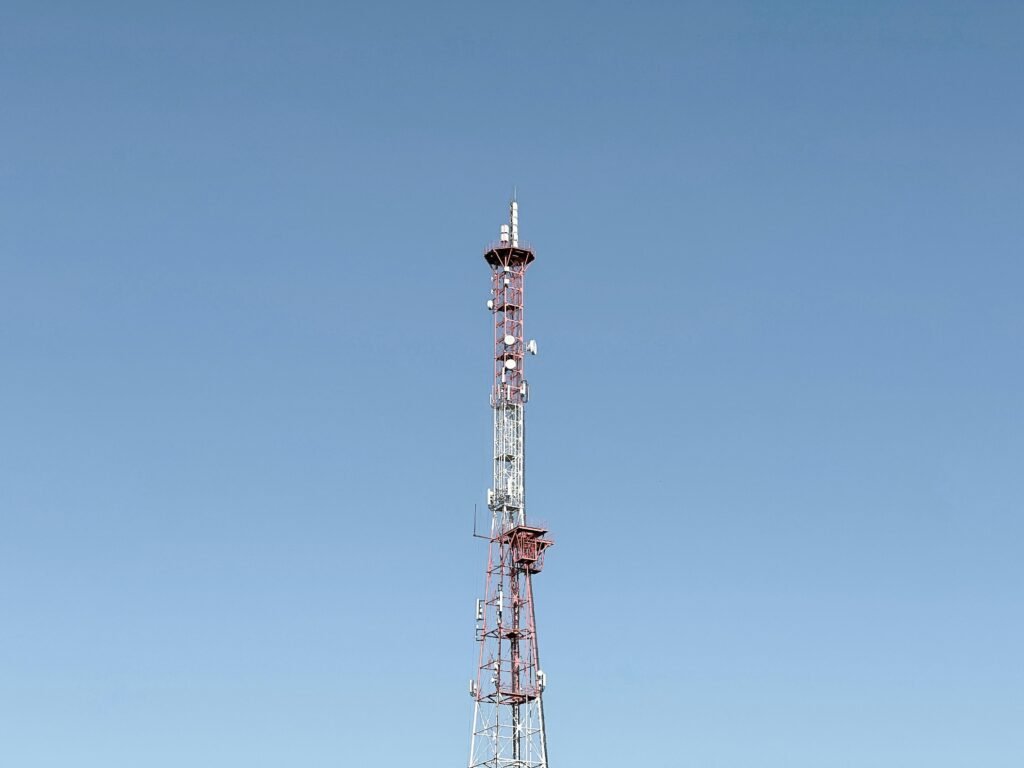
Building 5G networks requires significant investment in new cell towers and equipment. Complete coverage, especially in rural areas, will take time.
Device Compatibility
Not all devices support 5G yet. Widespread adoption requires consumers to upgrade their phones and other equipment.
Security Concerns
More connected devices mean more potential security vulnerabilities. As 5G networks expand, cybersecurity becomes increasingly critical.
Health Questions
Some people worry about potential health effects of 5G radiation. However, numerous scientific studies have found 5G signals operate within safe exposure limits established by health organizations.
What’s Next: 5G and Beyond
We’re just scratching the surface of what 5G can do. Looking ahead:
- IoT Expansion: The 30+ billion IoT devices expected by 2025 will drive innovations we haven’t imagined yet.
- Advanced Robotics: 5G enables more sophisticated robots that can react to their environment in real-time.
- Digital Twins: Entire cities and factories will have digital twins—virtual replicas that help planners optimize everything before implementing changes in the real world.
- 6G Research: Scientists are already working on 6G, which could be 100 times faster than 5G.
Conclusion
5G technology applications extend far beyond faster smartphones. This revolutionary technology is rebuilding healthcare systems, making cities smarter and more sustainable, enabling autonomous transportation, transforming manufacturing, and breaking down barriers in education.
The transition to 5G represents one of the most significant infrastructure upgrades in human history. Like electricity or the internet before it, 5G will touch every aspect of our lives, enabling innovations we can’t yet imagine.
As 5G networks continue expanding across India and globally, we’ll see even more creative applications emerge. The question isn’t whether 5G will change your life—it’s how quickly and in what ways.
Whether you’re a business leader planning for the future, a tech enthusiast excited about innovation, or simply someone interested in how technology shapes our world, understanding 5G technology applications helps you prepare for what’s coming.
The 5G revolution is here. Are you ready?